
MOVO X3 II Budget Shotgun Mic: Quality Audio for Cheap?!
· Audio · Microphones · 14:57
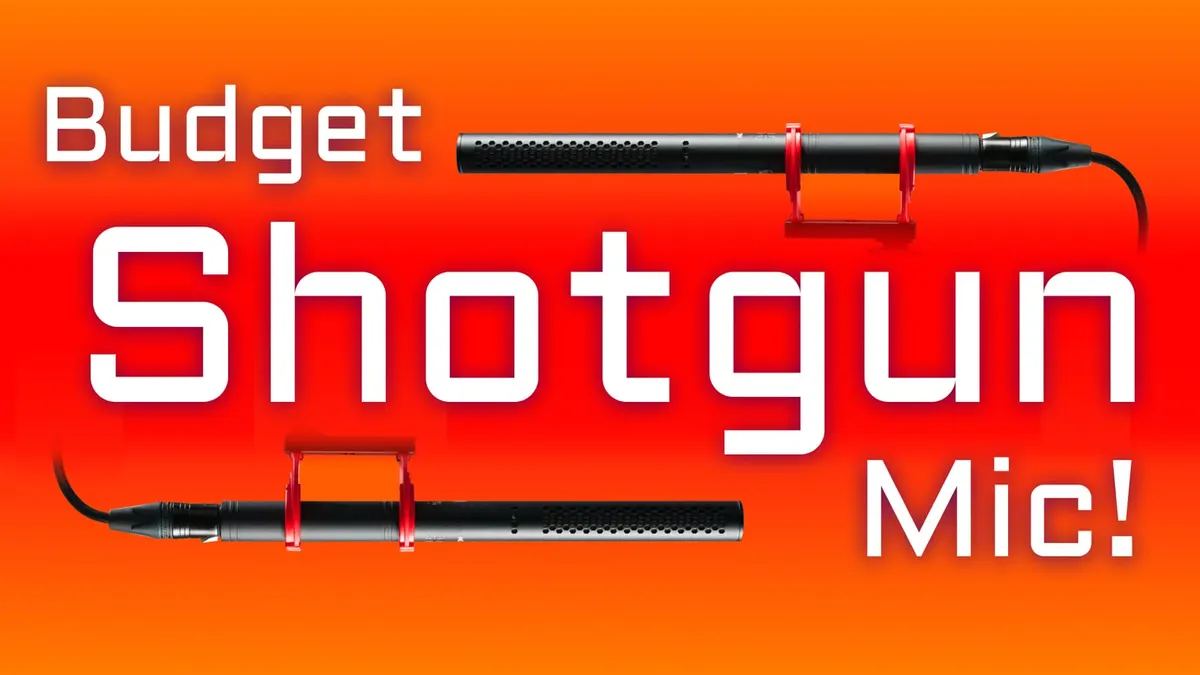
In this episode we have a look at and listen to the new MOVO X3-II shotgun microphone. This budget shotgun mic is a solid option for anyone building out their first filmmaking kit, but its audio quality is definitely good enough for pro-sumer applications as well! Noteworthy features include both camera-top and boom pole mounting solutions, an inbuilt high pass filter, and multiple powering options. Let’s take a closer look and listen!
You can find more from Allen here on his channel @soundspeeds
Some of my other studio gear:
Gear used or mentioned
The links below are Amazon, B&H Photo, Sweetwater, or other affiliate links. As an affiliate, I earn from qualifying purchases.
- MOVO X3 II Shotgun Microphone — Amazon
- Sennheiser MKH50 microphone — B&H, Sweetwater, Amazon
- Sound Devices MixPre audio recorder — B&H, Sweetwater, Amazon
- Impact Turtle-Base C-Stands — B&H, Amazon
- Aputure LS 600x Pro Bicolor LED Light — Aputure, B&H, Amazon
- Aputure Light Dome III Softbox — Aputure, B&H
- Amaran 300c RGBWW Single-Point LED Light
- Amaran Spotlight SE — Aputure, B&H, Amazon
- Rosco Prismatic Glass Gobo in Cool Lavender — B&H
- Canon C70 Cinema Camera — B&H
- Canon RF 24-70 f/2.8 lens — B&H, Amazon
- Panasonic GH5 camera — B&H, Amazon
- Panasonic 12-35mm f/2.8 II lens — B&H, Amazon
Read the transcript
A review of the Movo X3 II, a budget medium shotgun microphone, compared (not fairly, but as a reference) against the Sennheiser MKH416. At $129, it’s a directional shotgun mic with a surprisingly rich, broadcast-style sound when phantom-powered at 48V from a recorder or camera XLR input. The kit is remarkably complete for the price: a Rycote shock mount, foam cover, fur cover, a short XLR-to-XLR camera cable, an XLR-to-3.5mm camera cable, a padded removable hand grip, a quarter-inch-to-3/8-inch boom pole adapter, and a zippered pouch.
It can be powered via 48V phantom power or an internal AA battery, and has a 150Hz high-pass filter to tame wind/low-frequency noise like AC hum — useful but can noticeably thin out men’s voices more than women’s when engaged. A practical self-noise test (boosted to -23 LUFS) measured -64 dB RMS max, with most noise energy closer to -69dB — not the cleanest mic tested, but respectable and usable for the price. Build is primarily metal and feels solid. Sibilance handling was good, without overemphasis.
Testing the polar pattern by speaking on-axis, at 90°, and directly behind the mic showed some off-axis coloration, especially at 90° — not unusual for shotgun mics, especially budget ones, and still usable for someone on a tight budget wanting quality dialogue capture. A max-SPL/screaming test showed some audible distortion creeping in at very loud volumes (recorded on a Sound Devices MixPre-3 in 32-bit float, so it wasn’t the recorder clipping), suggesting this isn’t the best choice for very loud sources like screaming in indie horror films. Plosive testing at typical shotgun-mic distances (18 inches/45cm) showed no issues, even without any windscreen — plosives only become a concern at close podcasting-mic distances, where a foam cover and off-center mic placement help. RF interference testing near a phone (Wi-Fi, LTE, calls) and a wireless mic transmitter showed no issues at all — solid RF rejection.
Wind testing across 5 fan speed settings: bare capsule distorts by around setting 3-4; the foam cover holds up better than expected through about setting 3 before distorting; the fur cover performs best, only showing slight distortion at the highest setting. Overall, usable bare or with foam up to roughly 10mph winds; anything windier needs a proper blimp-style windshield. Both foam and fur covers noticeably reduce high-frequency response, so some EQ boosting in post may be needed to restore crispness. The included Rycote shock mount does a solid job managing handling noise when used on a boom pole (as used throughout this whole episode, boomed out of frame).
Mic placement matters enormously: mounted on top of a camera 2.5-3 meters away (a typical interview setup) sounds noticeably thinner and less impressive than the same mic boomed close out of frame — true of any microphone, not unique to this one. When powered by an internal AA battery and run through an XLR-to-3.5mm cable into a hybrid camera (tested on a Panasonic GH5), the sound character changes significantly and sounds noticeably thinner than when phantom-powered via a proper XLR interface/recorder/camera — worth knowing if that’s your intended use case.
Comes with a 1-year warranty, extendable to 2 years with registration, priced at $129. Overall verdict: a genuinely impressive microphone for the price — not a reason to abandon more expensive gear, but a strong option for anyone on a tight budget wanting quality dialogue sound. Get out there and make some great sound, and we will talk to you again very soon.