
Saramonic K9 Wireless Microphone Audio Quality Test
· Audio · Wireless systems · 9:27
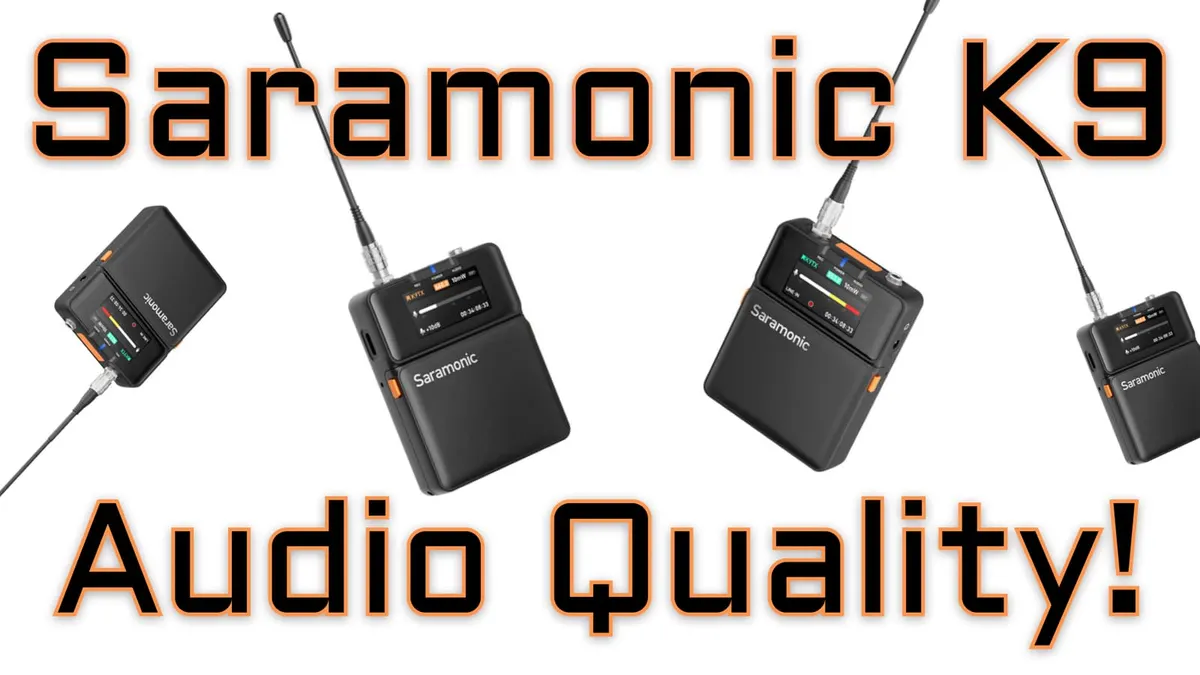
In this episode, we compare the audio quality of the Saramonic K9 UHF digital wireless microphone system to the DEITY THEOS and Sound Devices Astral wireless systems.
Gear used or mentioned
The links below are Amazon, B&H Photo, Sweetwater, or other affiliate links. As an affiliate, I earn from qualifying purchases.
- Saramonic K9 — digital wireless microphone system with TX recording and wireless timecode sync
- Sound Devices MixPre — series recorders
- Sennheiser MKH50 — boom microphone
Read the transcript
Part of an ongoing review series on the Saramonic K9 wireless system. Full disclosure: Saramonic sent the K9 kit for review; the Deity Theos and Sound Devices A10/A20 Astral system were purchased with my own money. This episode compares raw audio quality between the K9, the Deity Theos (its closest price/feature competitor, within about $100), and the Sound Devices Astral system (roughly 8x the price, so not really a fair comparison, but useful as a high-end reference).
Some users have reported that the Deity Theos exhibits odd high-frequency artifacts or filtering/gating above roughly 15kHz. All three systems were recorded simultaneously into a Sound Devices 888, loudness-matched to -23 LUFS with no other processing (raw, unprocessed WAV files are also linked for anyone skeptical of YouTube’s audio compression).
Looking at spectrograms in iZotope RX: the Deity Theos sample shows noticeable filtering/gating above about 15kHz; the Saramonic K9 shows similar behavior but to a somewhat lesser extent; the Sound Devices Astral system shows no such filtering or gating at all in that range.
My take: depending on your ears’ sensitivity and your project’s quality bar, any of these systems may or may not be sufficient. Practically, I’d recommend applying a low-pass filter around 16kHz on both the Theos and K9 to roll off those artifacts for cautious safety, even though the K9’s issue is milder. The Sound Devices system needs no such treatment, but costs roughly 8x more for the same two channels of wireless.
Two takeaways: first, trust your own ears and listen to the actual raw samples rather than relying solely on someone else’s description — this addresses a comment from a previous review where someone claimed the Theos sounded terrible despite that entire review having been recorded using a Theos. Second, yes, there are real differences between these systems — credit to Saramonic for gating/filtering less aggressively than Deity in this particular comparison.
For corporate video, indie film, education content, and YouTube creators on lower or no budgets, either the Saramonic K9 or Deity Theos should be more than adequate audio quality with that simple low-pass filter applied. Top-tier professionals on bigger-budget (Hollywood, Atlanta-market) productions might still use systems like these for camera hops or IFB, while reserving high-end pro gear for the actual production audio capture. More tests to come in this series — get out there and make some great sound, and we’ll talk to you again soon.